Clough Head Clay Shoot · Sources checked
The short answer
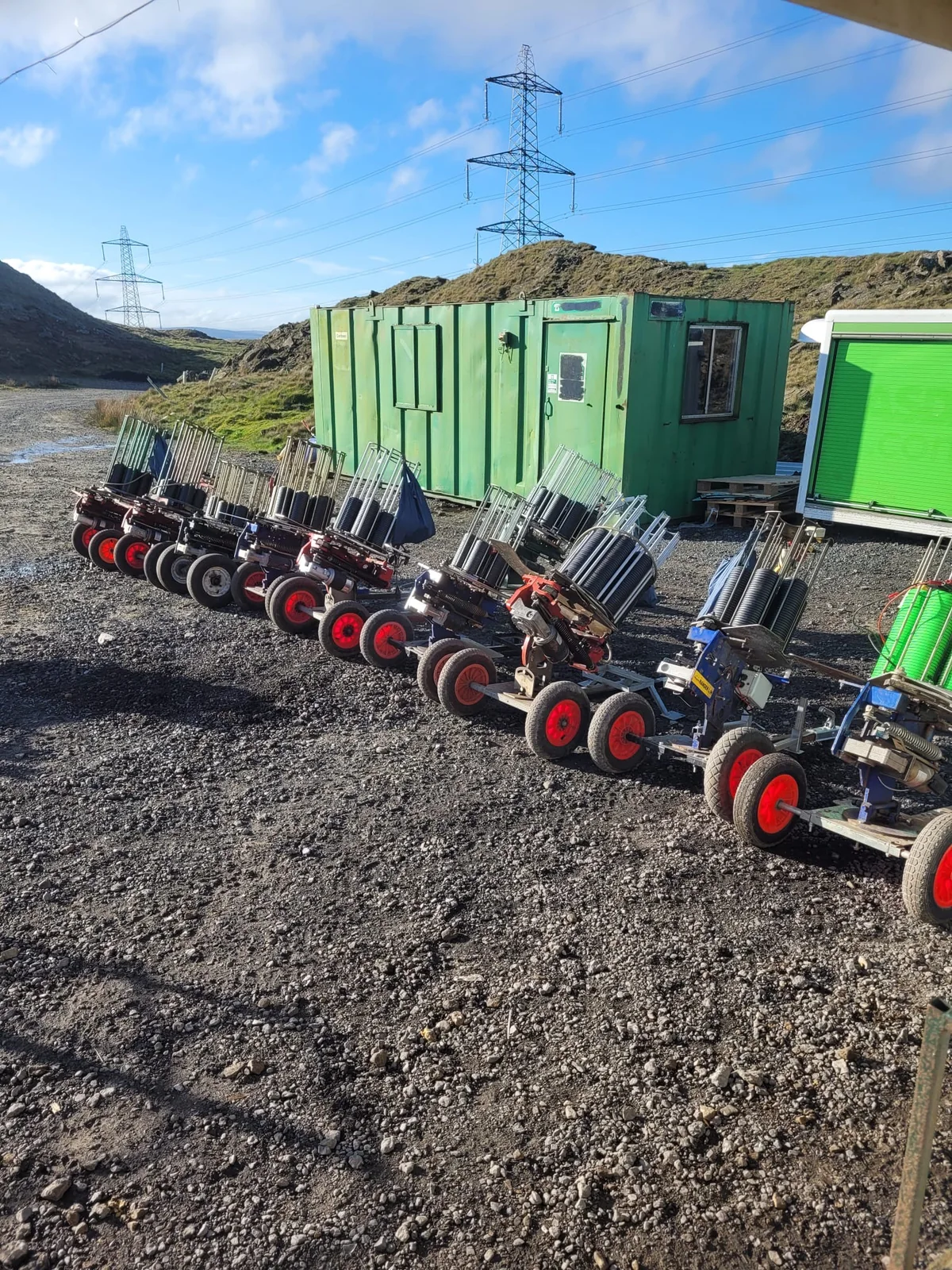
Clay pigeon shooting is a target sport in which participants use shotguns to break purpose-made clay targets launched by machines called traps. The targets are not live birds. A ground can present them along different paths, which is one reason the sport has several disciplines.
You may also hear it called clay shooting or clay target shooting. The CPSA’s introduction describes a sport that ranges from local recreational shooting to international competition. You do not have to be aiming for a championship to be interested in a first visit.
What are clay pigeons, and why the name?
A clay target is usually a shallow, saucer-shaped disc rather than a model bird. It needs to survive launch but break when struck. Different sizes and colours help a ground create varied presentations; some specialist targets travel along the ground.
The familiar name reflects the sport’s origins in live-pigeon target contests. Artificial alternatives developed during the nineteenth century, including glass-ball targets, before saucer-shaped targets became established in the late nineteenth century. The CPSA’s historical account places the modern target’s origins around 1880.
Despite the everyday name “clay”, target materials are not simply potter’s clay. The CPSA equipment guide describes conventional limestone-and-pitch targets. Other formulations exist, so the word describes a type of sporting target rather than a guarantee about every product’s ingredients.
How does recreational clay shooting work?
A visitor first agrees the kind of session they are attending. A complete beginner normally needs an introductory experience with appropriate instruction; an experienced shooter may be booking practice or entering an event. These are different arrangements, even when they use the same ground.
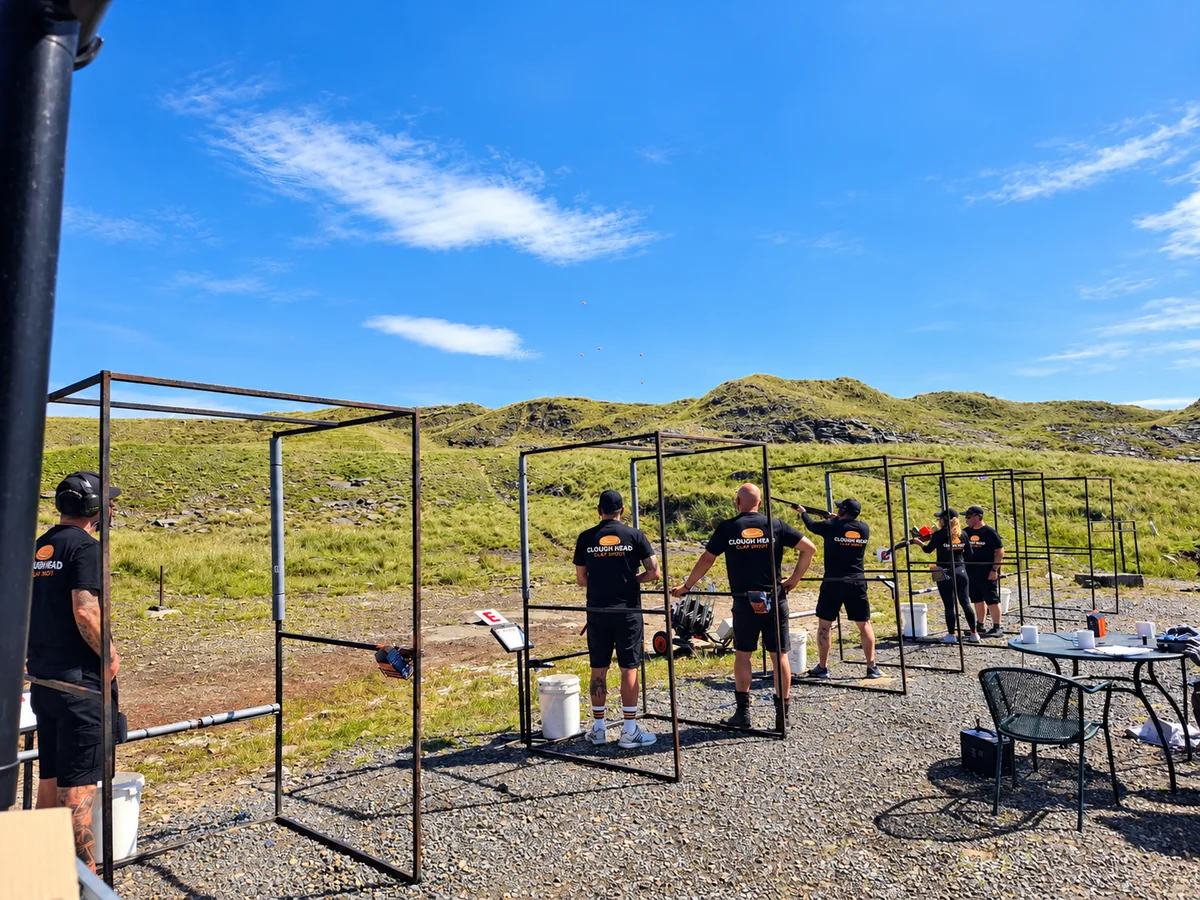
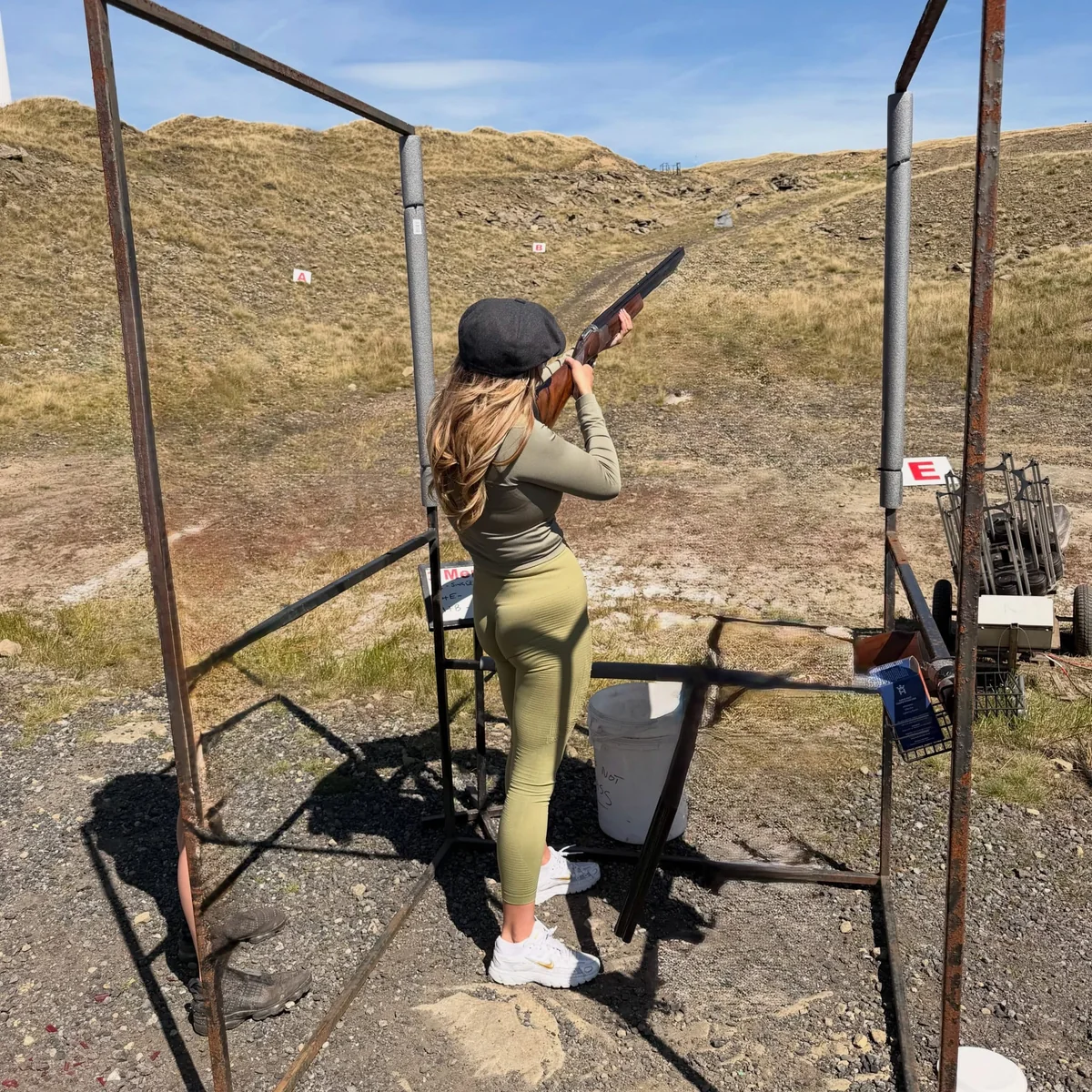
On arrival, the organisers explain the visit, the relevant ground procedures and how the session is managed. Targets are presented from designated shooting positions. This overview is not a substitute for that instruction and does not explain how to handle or use a firearm.
For a first visit, ask what the booking covers, who will supervise, how long to allow and what to bring. It is more useful to have those answers than to buy specialist kit before you know whether you enjoy the activity.
What are the main types of clay shooting?
Sporting uses varied target presentations around a course. Trap disciplines generally present targets travelling away from the shooting line. Skeet uses crossing targets from two houses, with a defined sequence of stations. Each family contains its own versions and rules.
Sportrap brings sporting-style variety into a compact layout. Our Sporting clays vs Sportrap guide explains that distinction. Names that sound similar do not necessarily identify the same discipline, and the rules of one format should not be assumed to apply to another.
Clay shooting and live game shooting are different
In clay shooting, the intended targets are manufactured objects. Live game shooting involves birds or other live quarry and has different considerations. Some clay presentations borrow names such as “rabbit” or “teal”, or imitate aspects of a bird’s flight, but the target remains artificial.
A person may enjoy clays entirely as a sport in its own right. Interest in clay shooting does not mean a visitor wants to take part in live game shooting.
Recreation, competition and personal progress
A recreational session can be about spending time outdoors, discovering an unfamiliar sport or sharing an activity with friends. Regular participants may enjoy the changing challenge of different targets and tracking their own progress.
Competitions add published event conditions and a scoring system. A practice score does not automatically become an official competition result, and different formats may score differently. Our competition guide explains the basic vocabulary without presenting one event’s rules as universal.
Learning more and trying it at Clough Head
Read the beginner guide if you are deciding what a first visit involves, or explore shooting at Clough Head if you already know the kind of day you want.
Clough Head is on Bacup Road near Todmorden, in the Pennine countryside. Beginner sessions must be arranged in advance and are usually on Saturdays or Sundays before or after scheduled shoots. See the beginner experience page for enquiries and visitor information before planning your journey.
Questions answered
Are clay pigeons real pigeons?
No. The targets used in clay pigeon shooting are manufactured sporting targets, not live birds.
Is clay shooting only competitive?
No. People can arrange recreational experiences or practice as well as enter competitions. The appropriate arrangements depend on the person and the venue.
Does every ground offer every discipline?
No. Confirm the actual format for the date or session you are considering. A general guide to a discipline is not an event listing.
Sources & scope
- CPSA: What is clay shooting?
- CPSA: Our Association — background to clay targets
- CPSA: Equipment and clothing
- CPSA: Shooting disciplines
- BASC: Clay shooting
This is a researched introduction, not a claim of instructor authorship, professional review or CPSA affiliation. For formal events, use the current governing-body rules and the organiser’s conditions; for a visit, confirm the ground’s requirements.